In the world of ADHD treatment, medication is often seen as the “ceiling”—the thing that helps you reach your peak performance. But without a solid “floor,” even the best medication can only do so much.
Experts like Dr. Sandy Newmark emphasize that no ADHD plan is complete without addressing the lifestyle factors that govern brain health. Whether you choose medication or not, these five natural “pillars” provide the biological baseline your brain needs to regulate attention and emotion.
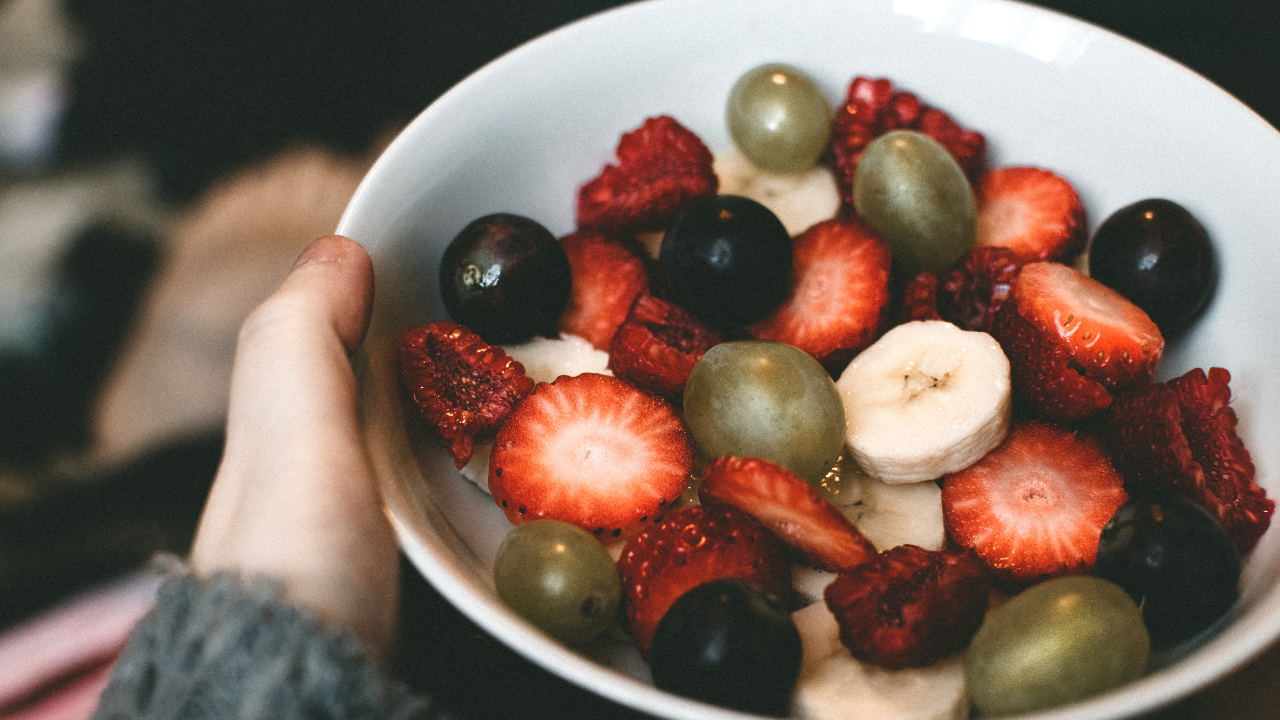
1. Nutrition: Fueling the “CEO” Brain
The ADHD brain is highly sensitive to blood sugar spikes and crashes. When sugar levels plummet, irritability and “brain fog” skyrocket.
- Low-Glycemic (GI) Eating: Swap processed “white” carbs (waffles, sugary cereal) for steel-cut oats or true whole-grain bread. Slow-burning fuel leads to steadier focus.
- Prioritize Protein: Protein provides the amino acids necessary to create dopamine. Start every morning with eggs, Greek yogurt, or lean meats.
- Screen for Food Sensitivities: Roughly 30% of neurodivergent children are sensitive to common triggers like dairy, gluten, or soy. A 3-week elimination trial can help identify if a specific food is driving hyperactivity.
2. Supplements: Closing the Nutrient Gap
While supplements should never replace a balanced diet, certain minerals are often lower in those with ADHD.
- Omega-3 Fatty Acids (Fish Oil): High-EPA fish oil is the most researched natural supplement for ADHD, helping with brain cell communication.
- Iron (Ferritin): Low iron levels are linked to irregular dopamine regulation. Have your doctor test your ferritin levels before starting a supplement.
- Magnesium: This mineral can have a “calming” effect, making it excellent for children who struggle with hyperactivity or “rebounding” as their medication wears off.
3. Exercise: The “Biological Ritalin”
Exercise isn’t just about burning off energy; it’s about brain chemistry. Physical activity triggers a release of dopamine and norepinephrine—the same chemicals targeted by ADHD stimulants.
- The 20-Minute Boost: Even one 20-minute session of aerobic exercise can improve focus and academic performance for hours afterward.
- Green Time: Research shows that “Green Exercise” (activities done outdoors in nature) has a more profound effect on reducing ADHD symptoms than indoor exercise.
4. Sleep: The Great Brain Reset
ADHD and sleep issues are deeply linked. Without 9–11 hours of sleep (for children), the prefrontal cortex—the brain’s command center—simply cannot function.
- The 45-Minute Rule: Turn off all blue-light screens at least 45 minutes before bed to allow natural melatonin production.
- Bedtime Rituals: White noise, weighted blankets, or guided meditation can help “quiet” an ADHD brain that refuses to stop spinning at night.
5. Managing the “Dopamine Loop” (Screen Time)
Excessive screen time provides “cheap” dopamine, making real-world tasks (like homework or chores) feel even more boring by comparison.
- The Trade-Off Strategy: Use screen time as a reward for physical activity. For example: “One hour of outdoor play earns 30 minutes of gaming.”
Quick Natural Wins vs. Long-Term Habits
| Habit | Immediate Benefit | Long-Term Goal |
| Protein Breakfast | Reduced morning “fidgetiness.” | Steady energy regulation. |
| 20-Min Exercise | Improved focus for the next 2 hours. | Better executive function. |
| Melatonin/Sleep Ritual | Easier bedtime transition. | Reduced emotional dysregulation. |
| Fish Oil (Omega-3) | Minimal (needs time to build). | Improved cognitive processing. |
FAQ
Q: Can natural remedies replace ADHD medication?
A: For some with mild symptoms, these pillars may be enough. For others, they provide a “baseline” that makes their medication more effective at a lower dose. Always consult with a medical professional before changing a treatment plan.
Q: Are artificial food dyes really that bad for ADHD?
A: Studies suggest that a specific subset of children are highly sensitive to synthetic dyes (like Red 40), which can significantly increase hyperactivity and impulsivity.
Q: What is the best sport for a child with ADHD?
A: While all exercise is good, individual sports that require “mind-body” connection—like Martial Arts, Swimming, or Tennis—often work better than team sports where there is a lot of “standing around” time.
Build Your Toolkit
Natural ADHD management isn’t about doing everything at once—it’s about finding the “one thing” you can change today. Whether it’s adding an egg to breakfast or taking a walk in the park, these small shifts build a brain-friendly life.