
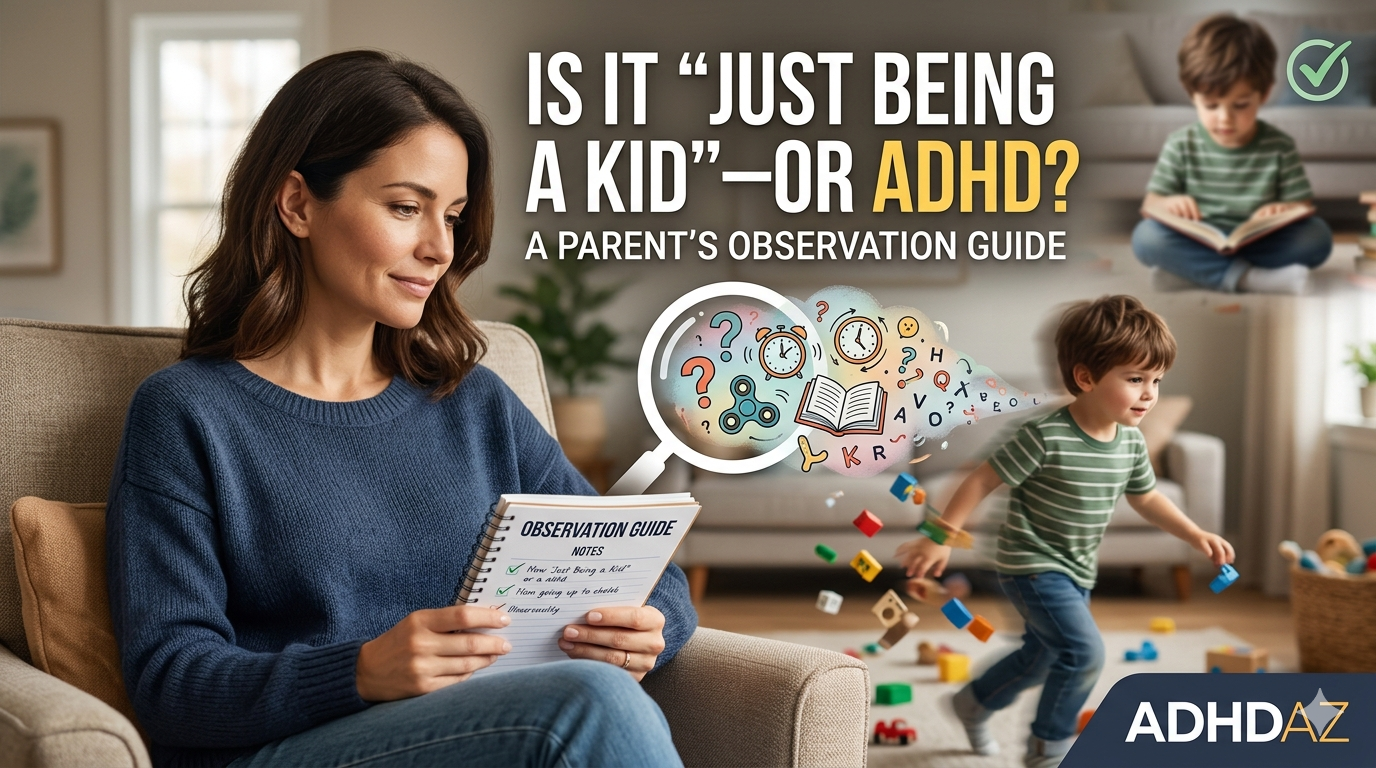
All children are occasionally distracted, impulsive, or restless. However, for a child with ADHD, these behaviors aren’t just “phases”—they are persistent traits that interfere with their ability to learn, make friends, and follow routines.
Parenting is a journey filled with joys and challenges, but sometimes it can be difficult to tell whether your child’s behavior is typical or a sign of something more. One common concern many parents face is Attention-Deficit/Hyperactivity Disorder (ADHD). ADHD is a neurodevelopmental condition that affects focus, impulse control, and activity levels. Recognizing the signs early can make a big difference in helping your child thrive.
Understanding ADHD in Children
ADHD usually appears in childhood and can continue into adolescence and adulthood. Children with ADHD may exhibit patterns of inattention, hyperactivity, and impulsivity that are more severe than what is typically observed in children of the same age.
The three main types of ADHD are:
- Predominantly Inattentive – Trouble paying attention, following instructions, and staying organized.
- Predominantly Hyperactive-Impulsive – Excessive movement, fidgeting, talking, and difficulty waiting turns.
- Combined Type – Symptoms of both inattention and hyperactivity-impulsivity.
Common Symptoms to Watch For
Parents can look for the following signs:
Inattention
- Easily distracted or misses details
- Difficulty following instructions or finishing tasks
- Avoids tasks requiring sustained mental effort
- Loses things frequently
Hyperactivity
- Fidgeting or squirming in seat
- Inability to stay seated when expected
- Running or climbing excessively
- Talking excessively
Impulsivity
- Interrupts others frequently
- Trouble waiting for their turn
- Acts without thinking about consequences
It’s important to remember that occasional inattentiveness or high energy is normal in children. ADHD is only suspected when these behaviors are persistent, disruptive, and noticeable across different settings such as home, school, and social environments.
ADHD Symptom Test for Kids
While only a qualified healthcare professional can diagnose ADHD, a preliminary symptom test can help parents decide if further evaluation is needed. You can try a simple checklist:
- Does your child frequently have difficulty sustaining attention in tasks or play activities?
- Do they often make careless mistakes in schoolwork?
- Are they easily distracted by external stimuli?
- Do they fidget, tap their hands or feet, or squirm when seated?
- Do they have trouble remaining seated when expected?
- Do they talk excessively or interrupt conversations?
- Do they struggle to wait their turn or act impulsively?
If your child answers “yes” to many of these questions consistently over six months or more, it’s a sign to consult a pediatrician, child psychologist, or psychiatrist.
Steps After Suspecting ADHD
- Consult a Professional – Pediatricians or child psychologists can provide a formal assessment.
- Gather Observations – Keep notes on your child’s behavior at home, school, and in social situations.
- Consider Interventions – Behavioral therapy, structured routines, and sometimes medication can be effective.
- Work with Schools – Teachers can help with accommodations and monitoring progress.
Final Thoughts
ADHD is common and manageable, but early recognition is key. If you suspect your child might have ADHD, taking a symptom checklist seriously and consulting a professional can lead to better support, coping strategies, and outcomes for your child.